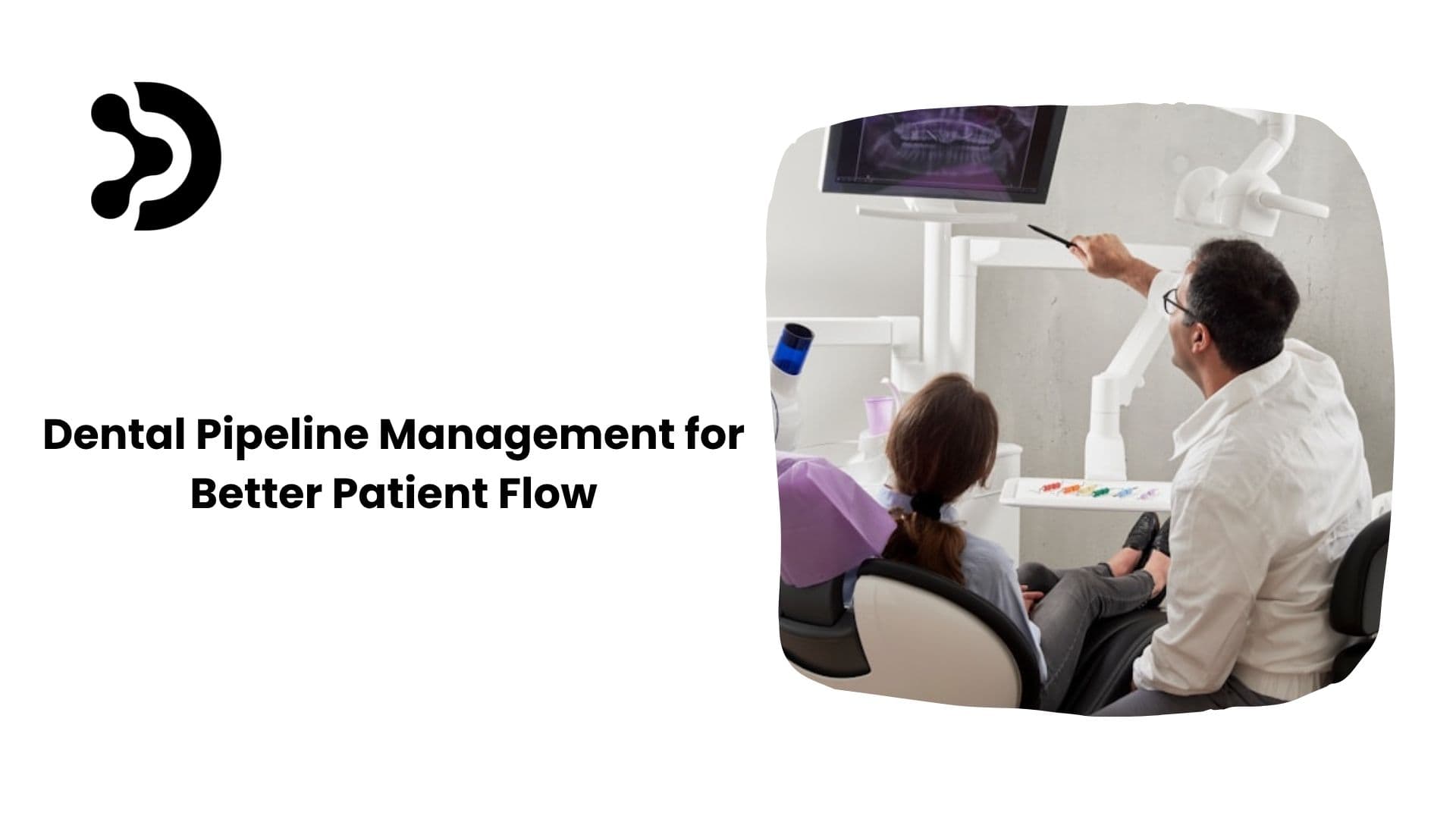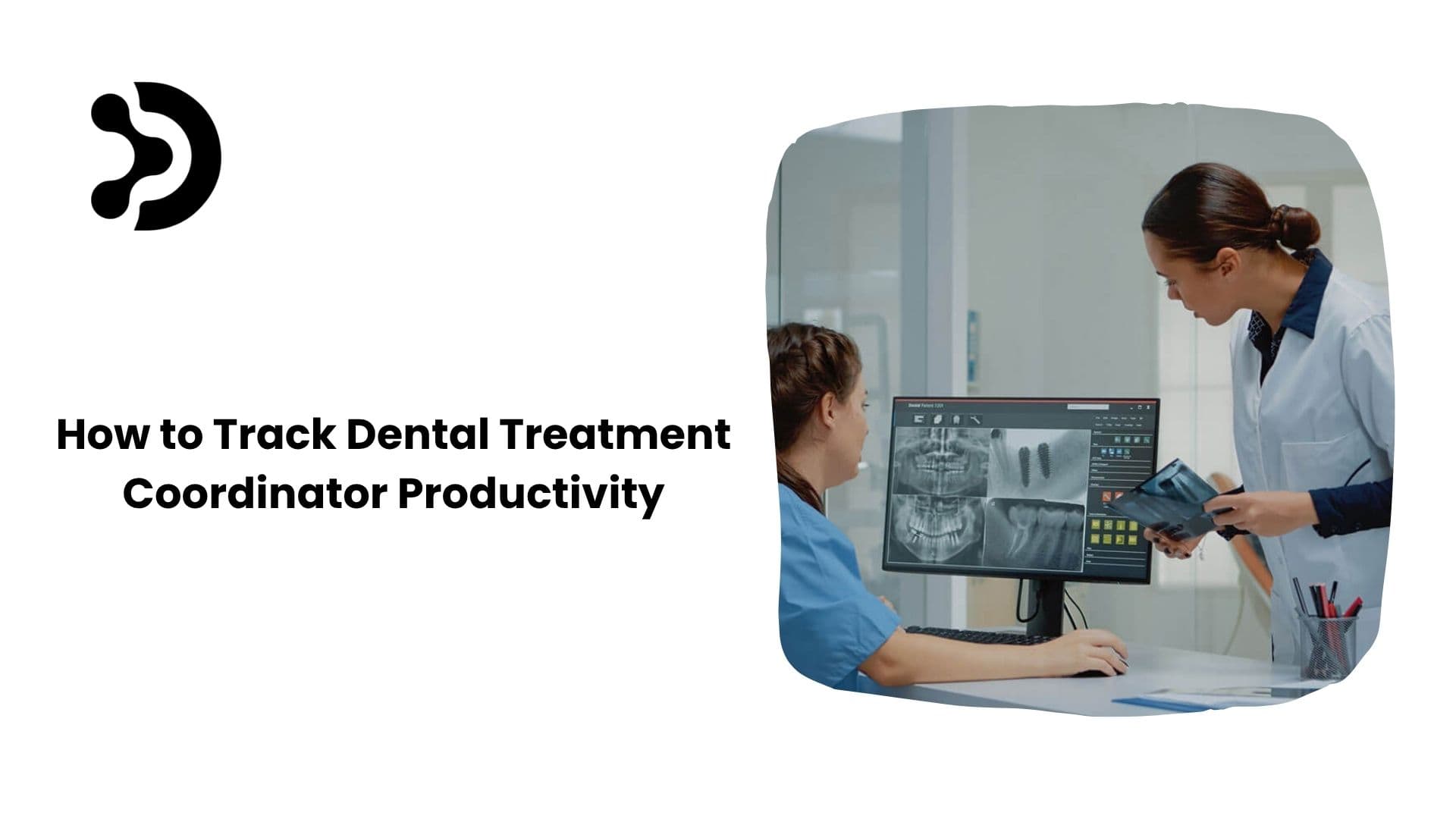

Treatment coordination plays a vital role in the success of any dental practice. It directly impacts case acceptance, patient satisfaction, and overall revenue. When done effectively, treatment coordination bridges the gap between diagnosis and action—helping patients understand their needs while improving dental practice profitability.
In today’s competitive landscape, practices that invest in strong treatment coordination strategies see higher conversions, better patient relationships, and sustainable growth.
What Is Treatment Coordination in Dentistry?
Treatment coordination refers to the process of guiding patients through their recommended dental treatments—from diagnosis to scheduling and completion.
A treatment coordinator typically:
Explains procedures in simple terms
Discusses costs and payment options
Addresses patient concerns
Schedules appointments
Follows up on pending treatments
This role ensures patients feel informed, confident, and motivated to proceed with care.
Why Treatment Coordination Impacts Dental Practice Profitability
Without proper coordination, even the best treatment plans may go unaccepted. Patients often delay or decline care due to confusion, fear, or financial concerns.
Key Ways It Boosts Profitability
Higher Case Acceptance Rates
Clear communication increases patient trust and willingness to proceedReduced Treatment Delays
Patients are more likely to schedule promptlyImproved Patient Retention
Positive experiences encourage repeat visitsBetter Revenue Predictability
Consistent case acceptance leads to stable income
The Patient Journey and Missed Opportunities
Many practices lose revenue due to gaps in the patient journey.
Common Breakpoints
Lack of clear explanation after diagnosis
No follow-up after consultation
Poor handling of cost discussions
Limited financing options
Each missed step can result in lost revenue and untreated patients.
Key Elements of Effective Treatment Coordination
1. Clear and Simple Communication
Avoid dental jargon. Patients need to understand:
What the problem is
Why treatment is necessary
What happens if they delay
Use visuals, models, or digital tools to improve understanding.
2. Financial Transparency
Cost is one of the biggest barriers.
Provide:
Clear treatment estimates
Flexible payment plans
Insurance breakdowns
When patients understand affordability, they are more likely to proceed.
3. Building Trust and Comfort
Patients often feel anxious about dental procedures.
Build trust by:
Listening actively
Showing empathy
Answering all questions patiently
A comfortable patient is a more confident decision-maker.
4. Timely Follow-Ups
Not all patients decide immediately.
Follow up with:
Reminder calls or messages
Educational content
Personalized check-ins
Consistent follow-ups can recover lost opportunities.
5. Dedicated Treatment Coordinator Role
Having a trained coordinator improves efficiency and results.
They focus on:
Patient communication
Scheduling optimization
Case tracking
Conversion improvement
Treatment Coordination Workflow for Better Profitability
Step | Action | Impact on Profitability |
|---|---|---|
Diagnosis | Dentist explains condition | Builds initial trust |
Consultation | Coordinator discusses treatment plan | Increases understanding |
Financial Discussion | Payment options shared | Removes barriers |
Scheduling | Appointment booked | Secures revenue |
Follow-Up | Reminder and engagement | Reduces drop-offs |
Technology and Automation in Treatment Coordination
Modern tools can enhance coordination without replacing the human touch.
Useful Tools Include:
Practice management software
Automated reminders
CRM systems
AI-driven patient communication tools
These tools help track patient progress, automate routine tasks, and ensure no case falls through the cracks.
Common Mistakes to Avoid
Rushing patient conversations
Ignoring patient concerns
Lack of follow-up systems
Overcomplicating explanations
Not offering flexible payment options
Avoiding these mistakes can significantly improve treatment acceptance and profitability.
Measuring Success in Treatment Coordination
Track key performance indicators (KPIs) such as:
Case acceptance rate
Treatment completion rate
Patient retention rate
Revenue per patient
Follow-up conversion rate
Conclusion
Treatment coordination is not just an administrative task—it’s a powerful growth driver for dental practices. By focusing on clear communication, financial transparency, and consistent follow-ups, practices can significantly improve patient outcomes and profitability.
Take your treatment coordination to the next level with smarter systems and personalized patient engagement. Start transforming your dental practice profitability today with Denteligen.