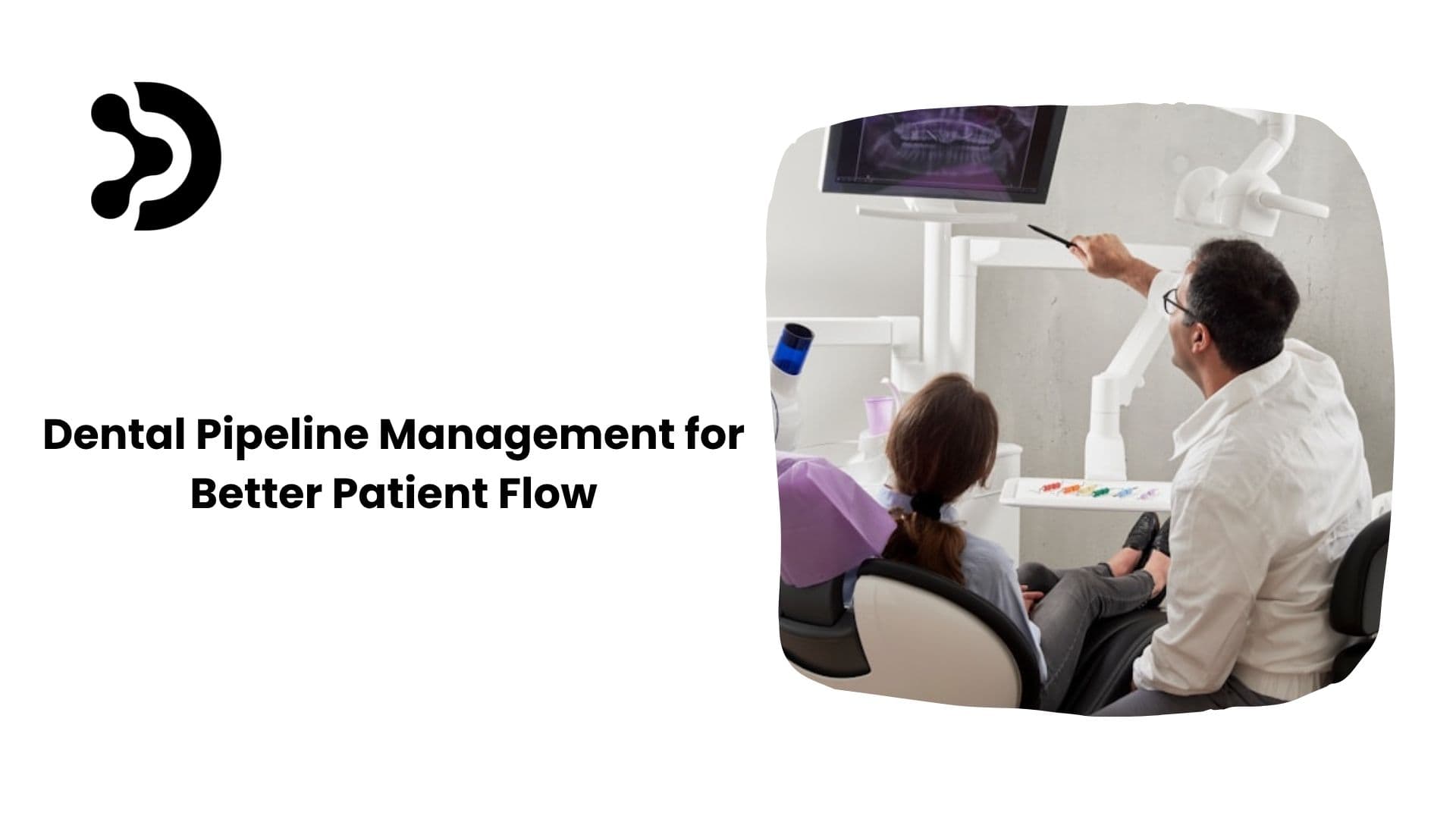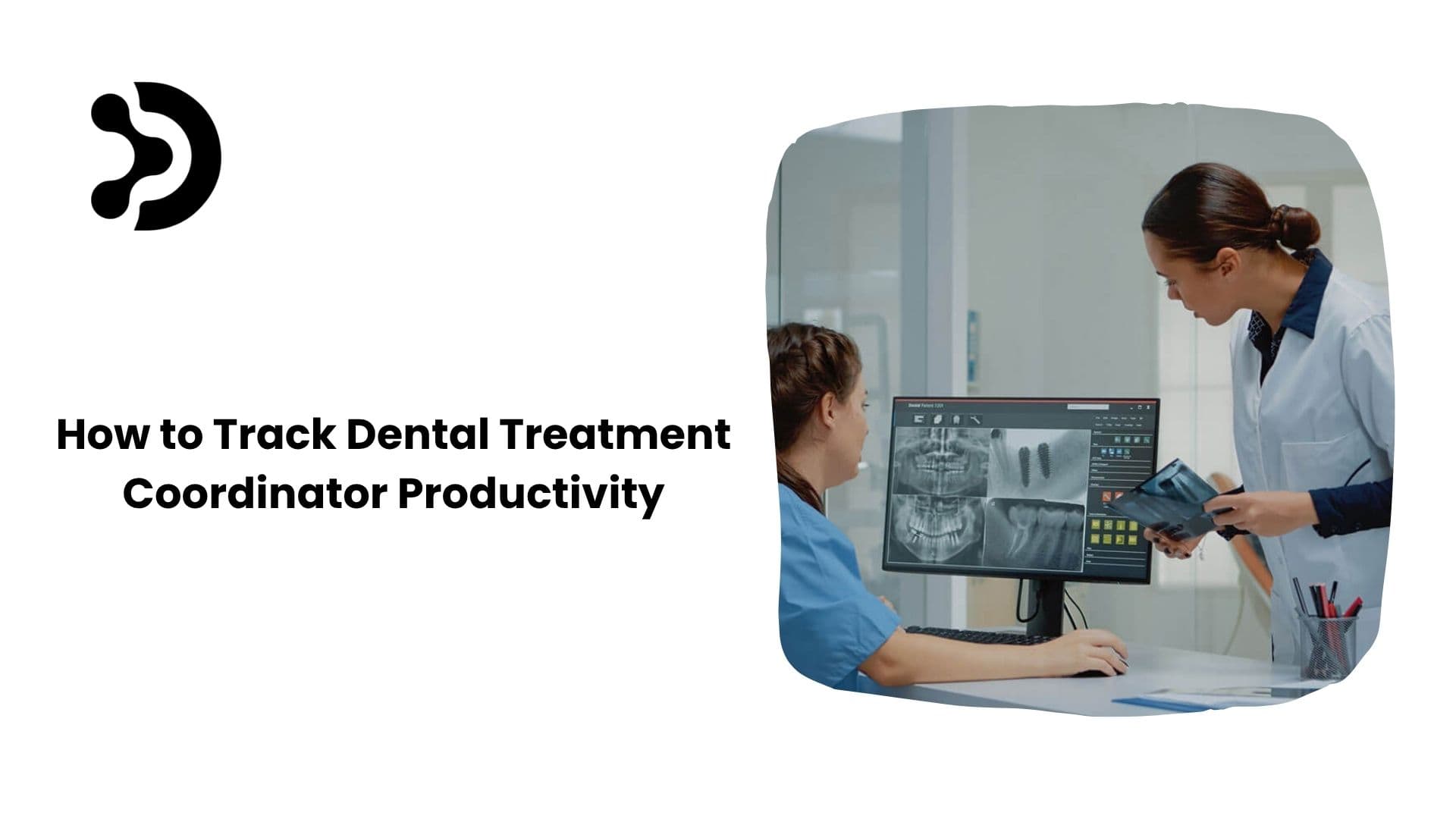
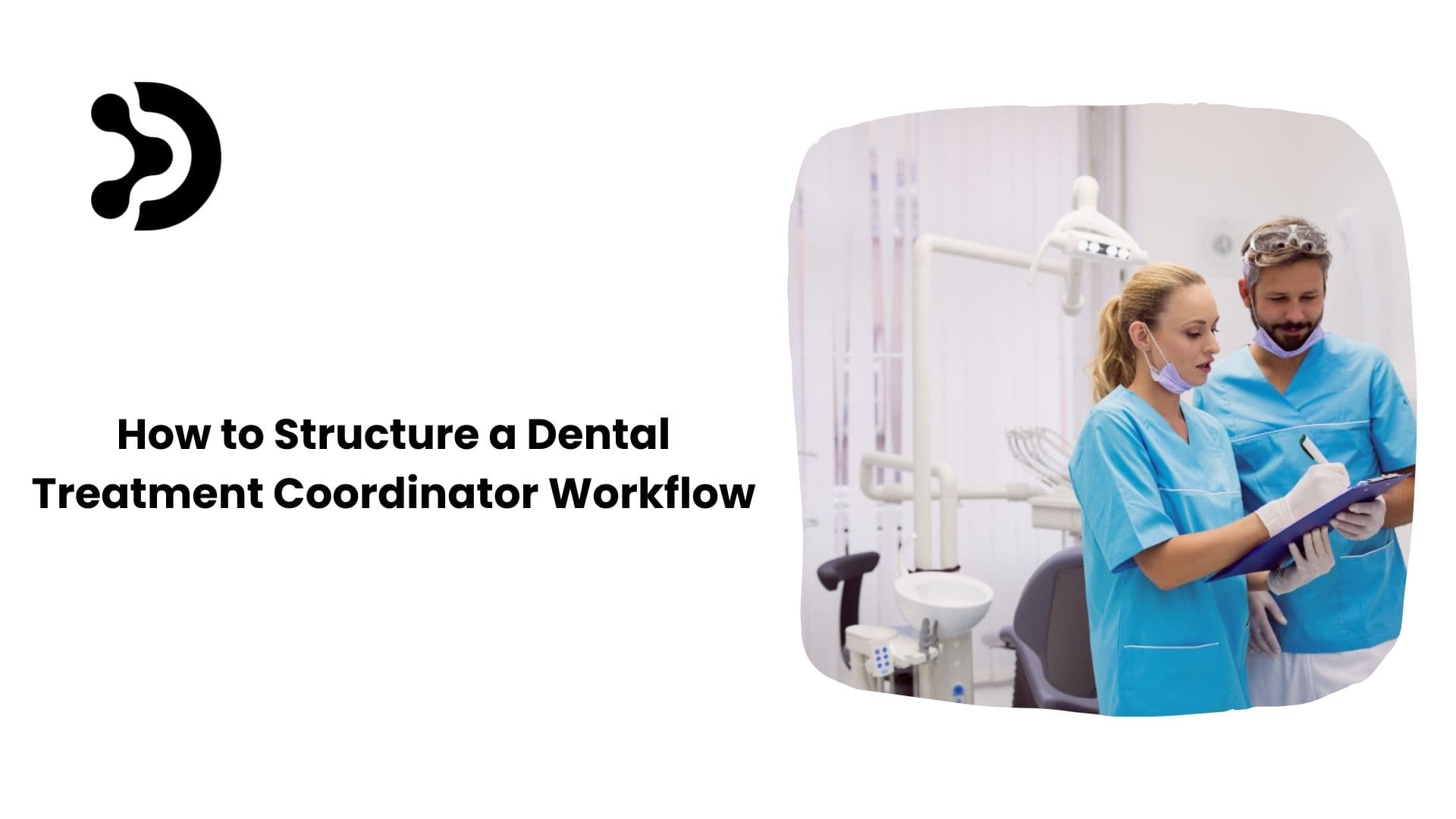
A Dental Treatment Coordinator plays a central role in turning diagnosed treatment into accepted care. In many practices, the Dental Treatment Coordinator is the bridge between the clinical team and the patient, handling case presentation, follow-up systems, financial discussions, and tracking pending treatment.
Yet in some offices, the workflow feels scattered. Notes are in different places. Follow-ups depend on memory. Cases slip through quietly. This guide breaks down how to structure a clear, repeatable Dental Treatment Coordinator workflow that improves case acceptance, strengthens patient communication, and supports steady practice growth.
What Does a Dental Treatment Coordinator Actually Do?
Before building a workflow, clarify the role. A Dental Treatment Coordinator is responsible for:
• Presenting treatment plans to patients
• Explaining procedures and sequencing
• Discussing financial options
• Tracking pending dental treatment
• Managing follow-up communication
• Monitoring case acceptance rate
• Reporting on treatment pipeline metrics
Without structure, these tasks overlap with front desk duties or get partially handled by clinical staff. That creates confusion. A defined workflow prevents this.
Why a Structured Dental Treatment Coordinator Workflow Matters
Inconsistent systems lead to:
• Missed follow-ups
• Unclear financial conversations
• Delayed treatment start dates
• Low treatment plan acceptance
• Limited visibility into the case pipeline
A structured Dental Treatment Coordinator workflow creates predictability. Patients feel guided instead of pressured. The team understands the next steps. Data becomes easier to track.
Core Phases of a Dental Treatment Coordinator Workflow
Step 1: Standardize the Diagnosis Handoff
The Dental Treatment Coordinator workflow begins the moment the dentist completes the diagnosis.
Create a handoff checklist:
• Full treatment plan entered in PMS
• Itemized procedures
• Sequencing is clearly defined
• Clinical notes finalized
• Radiographs and images attached
If the coordinator receives incomplete information, the presentation suffers. That’s not always obvious until patients start hesitating.
Step 2: Create a Structured Case Presentation Process
A Dental Treatment Coordinator should follow a consistent presentation flow:
Review patient concerns
Show visual evidence (photos, X-rays)
Explain diagnosed conditions
Outline phased treatment
Present costs transparently
Avoid overwhelming language. Keep explanations simple. Some patients need time to process. Others ask detailed questions. Both are normal.
Clear documentation should follow every presentation:
• Date presented
• Patient response
• Objections or concerns
• Next action step
Step 3: Build a Reliable Follow-Up System
Many practices lose revenue not because patients decline treatment, but because no one follows up.
A Dental Treatment Coordinator follow-up system should include:
• Automated reminders
• Manual check-in calls
• Email summaries
• Clear follow-up timeline
• Assigned task ownership
Follow-ups should not rely on memory. They should be visible in a dashboard or tracking system.
Step 4: Track Pending Treatment and Case Pipeline
Case tracking is often underestimated.
Track:
• Total diagnosed treatment
• Accepted treatment value
• Pending treatment value
• Aging of pending cases
• Case acceptance percentage
A Dental Treatment Coordinator should review these numbers weekly. Patterns appear quickly. For example, cases over 60 days old may require a different approach.
Step 5: Monitor Treatment Coordinator Productivity
To evaluate performance fairly, track:
• Case acceptance rate
• Average time from presentation to start
• Follow-up completion rate
• Number of cases presented per week
These metrics help refine workflow. They also highlight training needs.
Common Workflow Mistakes
Even experienced Dental Treatment Coordinators run into these issues:
• Presenting treatment without a full cost breakdown
• Delaying financial conversations
• Inconsistent follow-up intervals
• Poor documentation of declined treatment
• No visibility into multi-phase treatment plans
Small workflow gaps create larger revenue leaks.
Integrating Technology into the Dental Treatment Coordinator Workflow
Modern dental practices benefit from structured case tracking software, patient portals, and analytics dashboards.
Technology should support:
• HIPAA-compliant treatment plan sharing
• Real-time case pipeline visibility
• Task assignment tracking
• Performance reporting
Still, software alone does not fix process issues. The workflow must be defined first.
Conclusion
A Dental Treatment Coordinator workflow should feel organized, visible, and repeatable. Diagnosis handoff must be clear. Case presentation should follow a consistent structure. Follow-up systems need accountability. Metrics should guide improvement.
Not every patient will accept treatment immediately. That is part of dentistry. But with a defined workflow, fewer cases fall through the cracks. The team stays aligned. Patients feel supported. Revenue becomes more predictable.
Ready to improve your Dental Treatment Coordinator workflow? Denteligen helps you track cases, manage follow-ups, and increase case acceptance with clear, structured systems. Connect with Denteligen today.