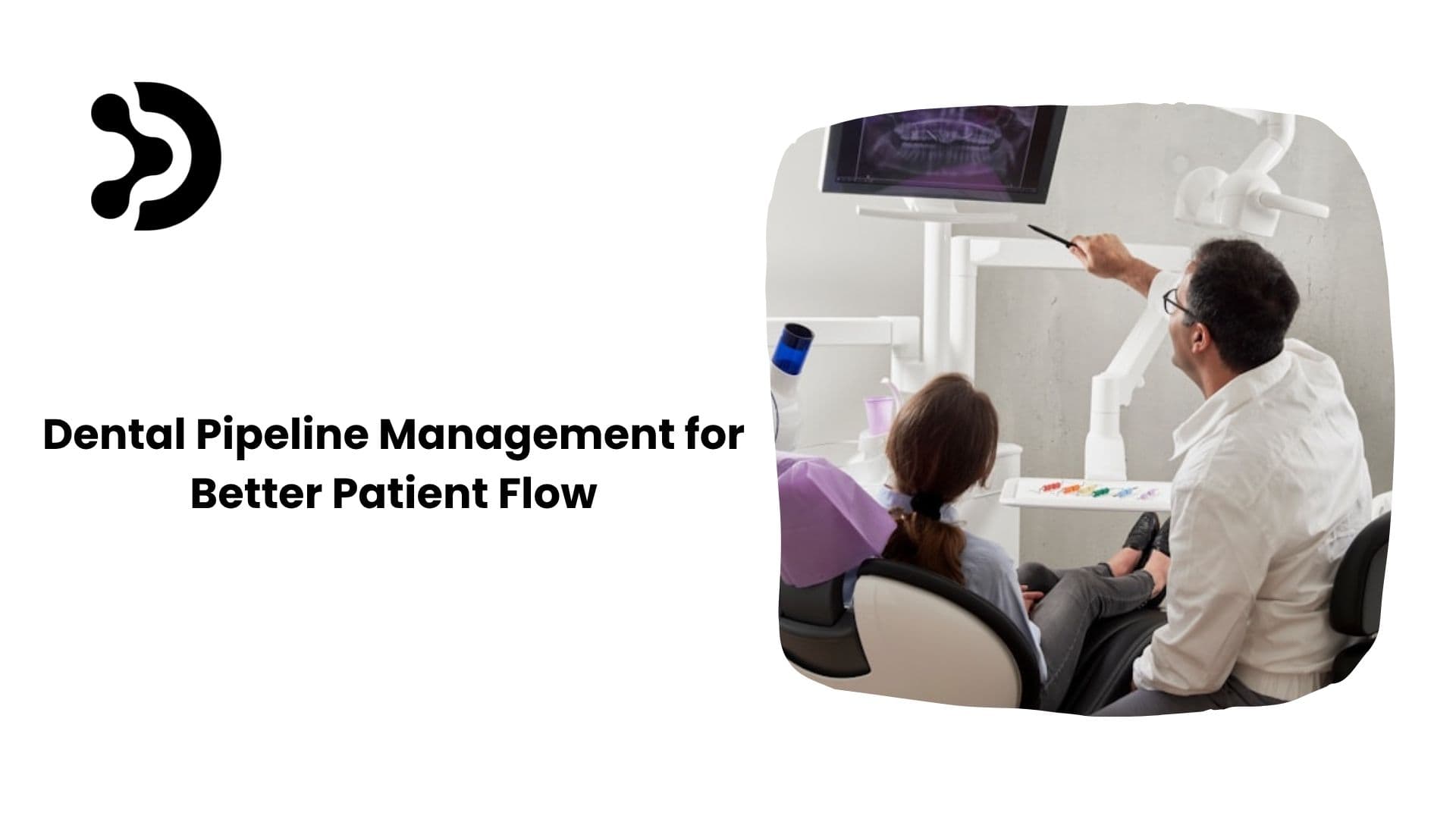

Consistent treatment planning in your dental practice is one of those goals every dentist talks about, yet few truly standardize. Some days, planning feels clear and structured. On other days, it depends on who is reviewing the case, the schedule, or even how the patient presents their concerns. That inconsistency affects case acceptance, patient trust, and long-term outcomes more than most practices realize.
If you want predictable clinical results, stronger patient confidence, and smoother team collaboration, consistent treatment planning in your dental practice must become a system, not an individual habit.
Why Consistent Treatment Planning in Your Dental Practice Matters
Treatment planning is more than listing procedures. It shapes:
Patient understanding
Clinical sequencing
Financial discussions
Legal documentation
Long-term oral health outcomes
When planning varies across providers or even between appointments, patients feel confused. That hesitation often turns into delayed treatment or incomplete care.
Consistency builds:
Clear communication
Higher case acceptance
Reduced rework
Stronger team alignment
Patients don’t just want good dentistry. They want clarity.
Common Causes of Inconsistent Treatment Planning
Before fixing the issue, it helps to see where the inconsistency starts.
1. No Standard Clinical Protocol
Without written guidelines, each provider relies on personal judgment. Clinical philosophy differs even within the same office.
2. Incomplete Diagnostics
Missing radiographs, limited periodontal charting, or rushed exams often lead to fragmented plans.
3. Poor Team Communication
If hygienists, assistants, and front desk staff are not aligned, treatment recommendations may change in presentation.
4. Financial Conversations Too Late
When cost discussions happen after planning, patients may feel overwhelmed and reject treatment altogether.
5. Lack of Documentation Templates
No structured format means no uniformity.
Consistency does not remove clinical judgment. It simply ensures every patient receives the same structured process.
A Structured Framework for Consistent Treatment Planning in Your Dental Practice
Here is a practical framework you can adapt:
Step | Focus Area | Purpose |
Comprehensive Exam | Full diagnostics, photos, and charting | Accurate clinical foundation |
Problem List | Clear list of diagnoses | No overlooked conditions |
Priority Ranking | Urgent vs elective care | Logical sequencing |
Treatment Phases | Organize into manageable stages | Improves acceptance |
Financial Presentation | Transparent options | Builds trust |
This structure prevents rushed or reactive planning.
Standardizing Your Diagnostic Process
Consistency starts before the plan is written.
Create a checklist for every comprehensive exam:
Updated medical history
Full periodontal charting
Bite analysis
Intraoral photos
Radiographs
Occlusal evaluation
When diagnostics are standardized, treatment planning becomes more predictable. Without solid data, planning becomes guesswork.
Some dentists resist checklists. They feel it limits autonomy. In reality, it supports clinical excellence.
Improving Team Alignment
Consistent treatment planning in your dental practice is not a solo effort.
Your team must understand:
Clinical philosophy
How to explain treatment in simple language
Financial options
Sequencing logic
Hold regular case review meetings. Discuss why certain cases were accepted and others were delayed. Patterns usually appear.
When the team speaks with one voice, patients feel secure.
Enhancing Patient Communication
Patients rarely reject treatment because they doubt clinical need. They reject it because they feel uncertain.
Improve communication by:
Showing intraoral images
Explaining the consequences of no treatment
Breaking plans into phases
Offering written summaries
Avoid overwhelming language. Simplicity increases understanding.
And sometimes, patients need time. That is normal.
Documentation and Legal Protection
Consistent documentation supports consistent treatment planning in your dental practice.
Use templates that include:
Diagnosis
Recommended procedures
Risks and alternatives
Patient consent
Declined treatment notes
Documentation protects both patient and provider. It also reinforces clarity within the team.
Tracking Outcomes and Reviewing Cases
Consistency improves when measured.
Track:
Case acceptance rate
Completion rate
Average time from diagnosis to start
Re-treatment frequency
Conlusion
Consistent treatment planning in your dental practice is not about rigid rules. It is about creating clarity for your team and for your patients. Standardized diagnostics, structured case presentation, and aligned communication form the backbone of reliable care. When planning becomes predictable, case acceptance improves, stress decreases, and clinical outcomes become more stable.
If you want to strengthen consistent treatment planning in your dental practice and improve both clinical efficiency and patient trust, begin by reviewing your current process. Identify where variation occurs and build systems around it. Strong systems support strong dentistry.
If you’re serious about improving consistent treatment planning in your dental practice, now is the time to take action. Denteligen works with dental teams to standardize clinical workflows, improve case presentation systems, and create structured treatment planning processes that support clarity and growth.