Struggling with low case acceptance rates? If you’re wondering how to increase treatment plan acceptance in dental practices, you’re not alone. Many dentists present clinically sound treatment plans, yet patients hesitate, delay, or decline recommended care. Improving treatment plan acceptance isn’t about pressure — it’s about trust, communication, clarity, and systems.
In this guide, you’ll learn practical, ethical, and proven strategies to increase treatment plan acceptance in dental practices while improving patient satisfaction and long-term practice growth.
Why Treatment Plan Acceptance Matters
Treatment plan acceptance directly impacts:
Practice revenue and profitability
Patient oral health outcomes
Case completion rates
Long-term patient retention
Team morale and confidence
When patients understand the value of treatment and trust your recommendation, they’re far more likely to move forward.
Common Reasons Patients Decline Treatment Plans
Before you can increase treatment plan acceptance in dental practices, you must understand why patients say no.
Here are the most common reasons:
Fear of pain or procedures
Cost concerns or lack of financing
Lack of urgency
Confusion about the diagnosis
Previous negative dental experiences
Feeling rushed or pressured
Addressing these concerns systematically can significantly improve case acceptance.
Improve Communication and Patient Education
Clear communication is the foundation of higher case acceptance.
Use Simple, Non-Technical Language
Avoid clinical jargon. Instead of saying complex clinical terms, explain the issue in plain language that patients easily understand.
Use Visual Aids
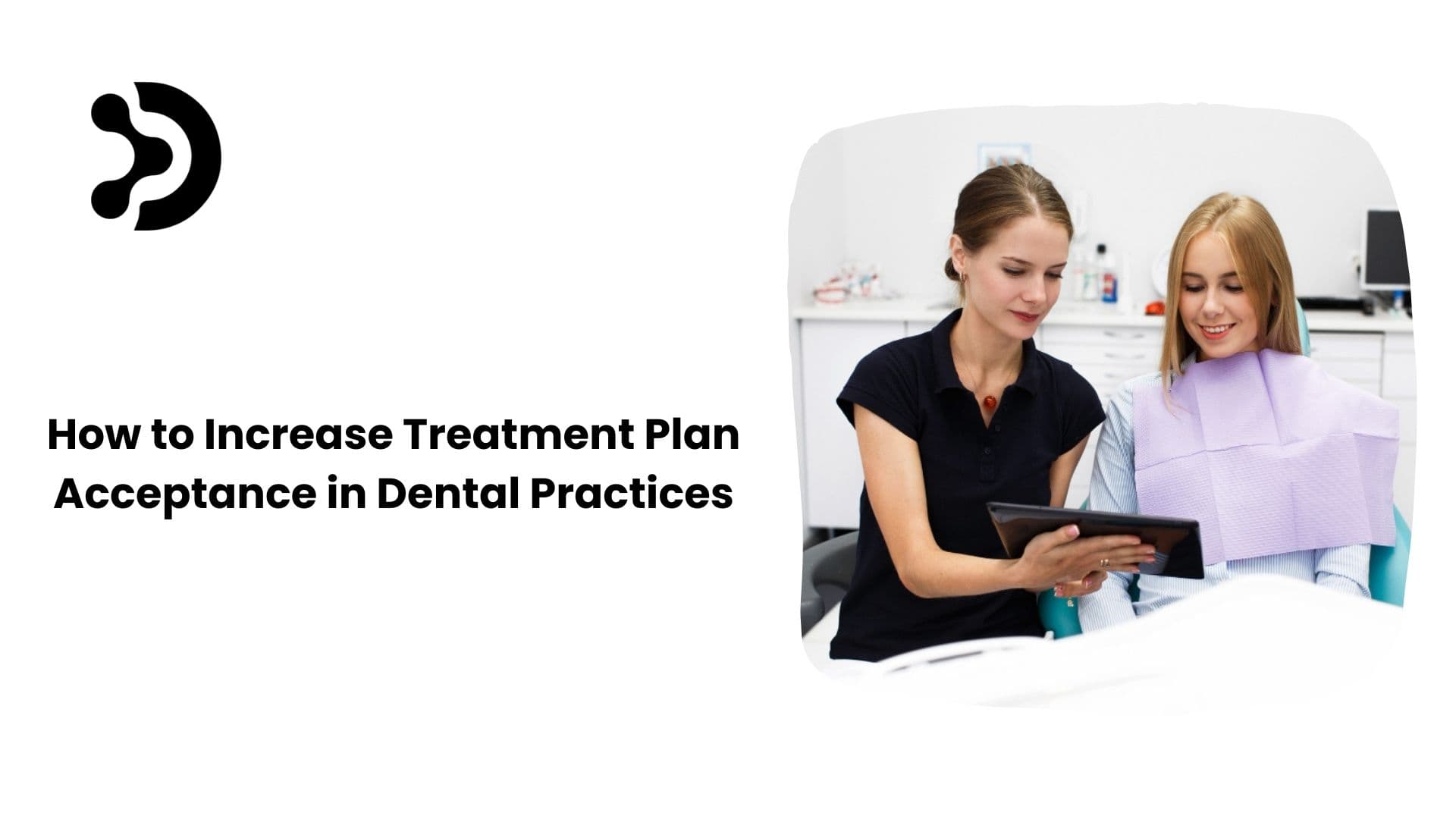
Patients are more likely to accept treatment when they can see the problem.
Use:
Intraoral cameras
Before-and-after photos
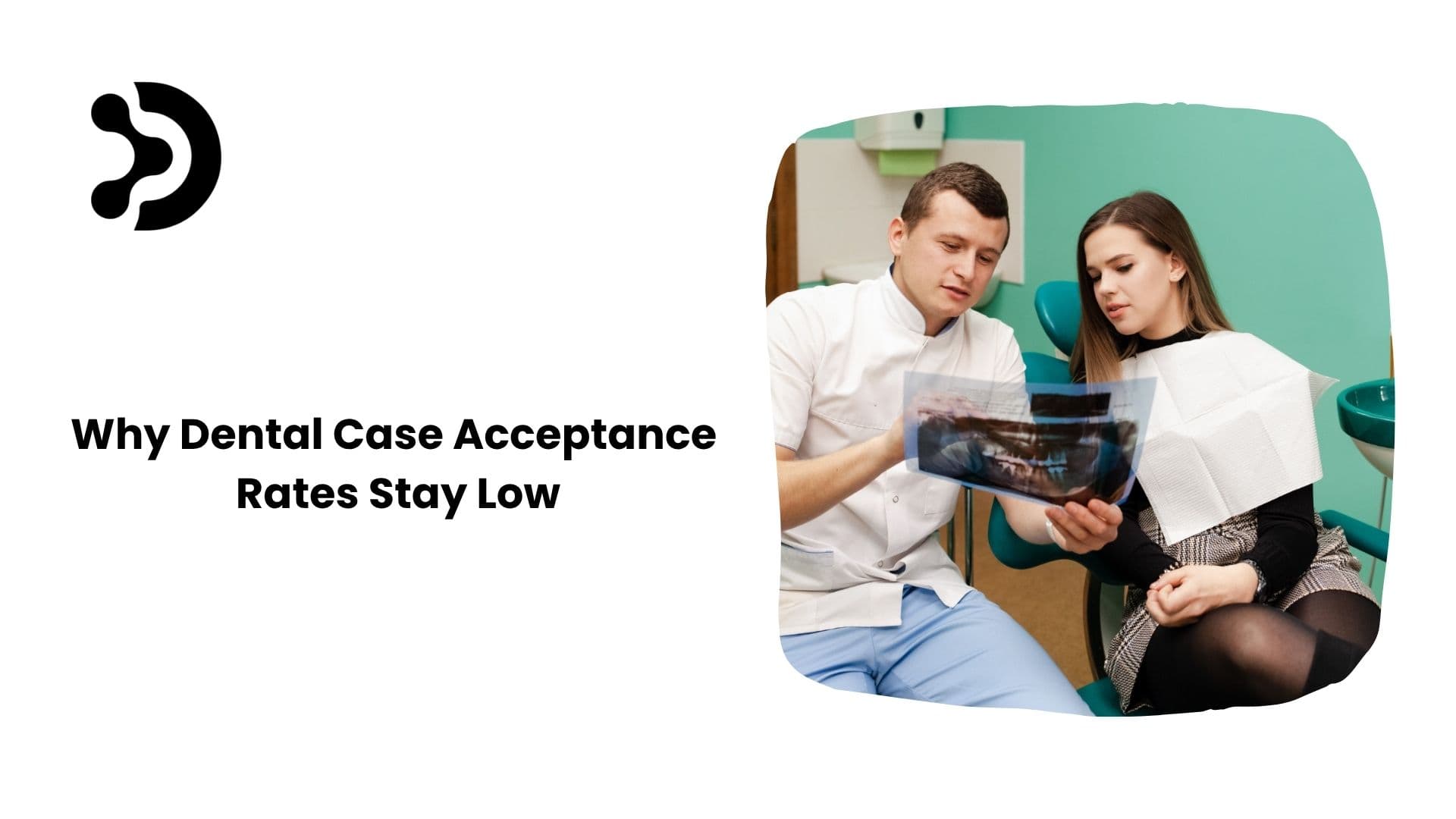
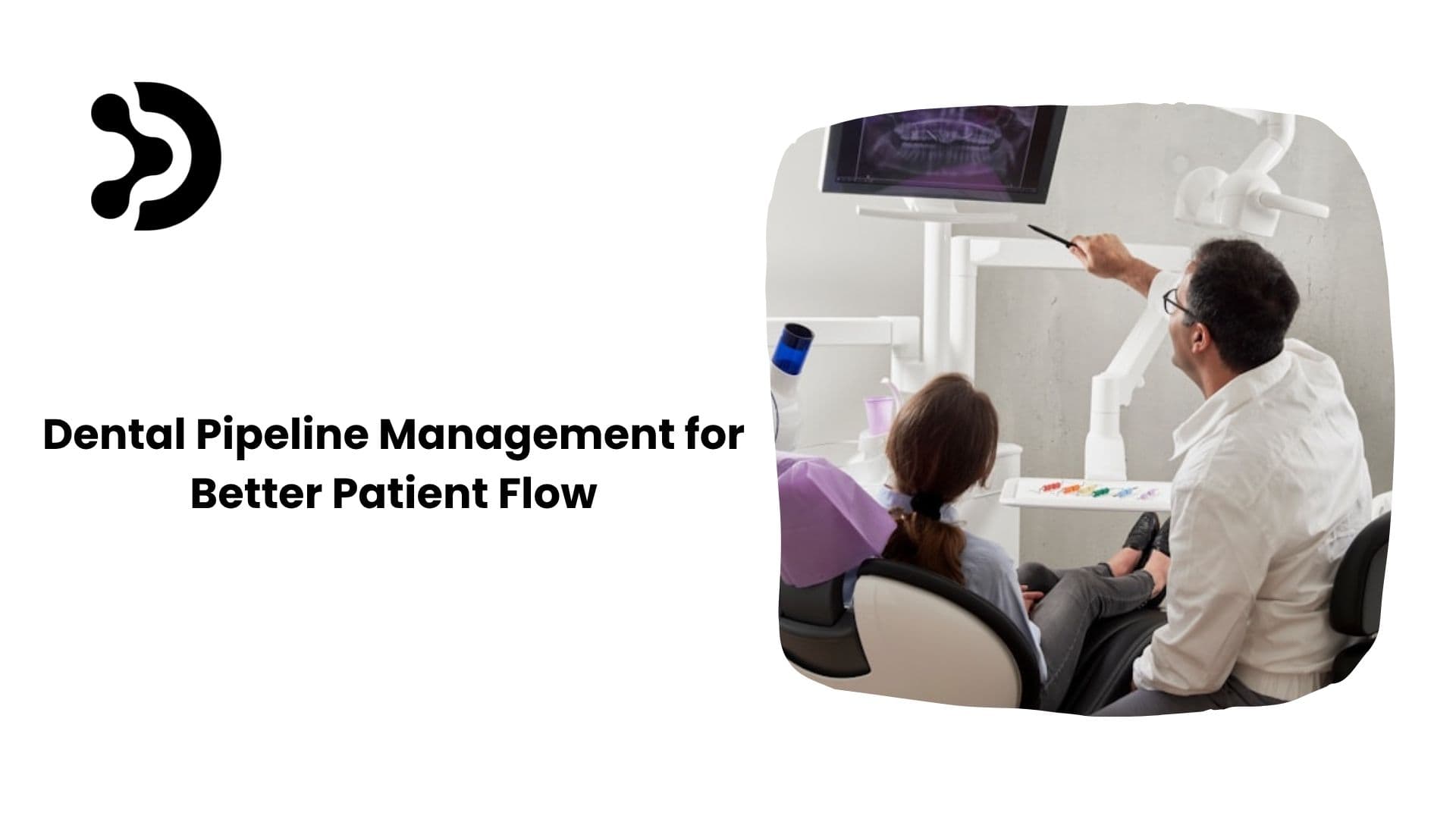
Digital X-rays
3D treatment simulations
When patients visually understand the issue, urgency increases naturally.
Build Trust Before Presenting the Treatment Plan
Trust drives decisions.
To increase treatment plan acceptance in dental practices, focus on relationship-building:
Make eye contact
Sit at the same level as the patient
Listen without interrupting
Repeat their concerns back to them
Patients accept treatment from dentists they trust — not just dentists who diagnose correctly.
Present Benefits, Not Just Procedures
Patients don’t buy procedures. They invest in outcomes.
Instead of focusing only on the technical procedure, explain:
How treatment prevents future pain
How it improve chewing and comfort
How it enhances appearance
How it protects long-term oral health
Reframing treatment in terms of benefits significantly increases acceptance.
Offer Flexible Payment and Financing Options
Cost is one of the biggest barriers to treatment plan acceptance in dental practices.
Provide:
Payment plans
Third-party financing
Phased treatment options
Transparent cost breakdowns
Barrier | Solution | Result |
High upfront cost | Monthly payment plans | Reduced financial resistance |
Large treatment case | Phase the treatment | Easier decision-making |
Insurance confusion | Clear benefit explanation | Increased clarity & trust |
When patients feel financially supported, they are more likely to move forward.
Create a Structured Case Presentation Process
Consistency improves results.
A structured system may include:
Diagnosis explanation
Visual evidence
Consequences of delaying treatment
Benefits of proceeding
Cost and financing options
Confirm understanding
Training your treatment coordinators and front desk staff is crucial in increasing treatment plan acceptance in dental practices.
Address Fear and Dental Anxiety
Fear silently reduces case acceptance.
To reduce anxiety:
Offer sedation options
Explain each step clearly
Share positive patient testimonials
Allow time for questions
Sometimes patients decline treatment not because of cost, but because of fear.
Track and Measure Case Acceptance Rate
You cannot improve what you do not measure.
Track:
Number of treatment plans presented
Dollar amount presented
Dollar amount accepted
Acceptance rate percentage
Case Acceptance Rate = (Accepted Treatment Value ÷ Presented Treatment Value) × 100
Monitoring this KPI allows you to identify weaknesses and optimize your system.
Strengthen Team Alignment
Increasing treatment plan acceptance in dental practices is a team effort.
Ensure:
Doctors and hygienists communicate consistently
Front desk reinforces recommendations
Treatment coordinators confidently explain costs
Everyone uses supportive, patient-centered language
Unified messaging increases patient confidence.
Conclusion
Understanding how to increase treatment plan acceptance in dental practices requires better communication, stronger systems, financial flexibility, and trust-building. When patients clearly understand their condition and feel supported, acceptance naturally improves.
By implementing structured case presentations, improving patient education, offering financing options, and aligning your team, you can create sustainable growth while improving patient outcomes.
Increase Treatment Plan Acceptance with Denteligen
If you're ready to improve case acceptance and unlock the full growth potential of your practice, Denteligen can help.
Denteligen specializes in helping dental practices optimize patient communication systems, streamline case presentation processes, and implement proven growth strategies that increase treatment plan acceptance in dental practices.
Whether you need team training, workflow optimization, or performance tracking systems, Denteligen provides the expertise and tools to help your practice grow ethically and sustainably.
Contact Denteligen today to transform more treatment plans into completed care and build a stronger, more profitable dental practice.