Dental Treatment Planning is the foundation of successful, long-term oral health care. Whether you’re visiting the dentist for routine maintenance or complex restorative work, a structured and personalized treatment plan ensures predictable outcomes and optimal results.
Dental treatment planning helps dentists evaluate your oral health condition, prioritize procedures, and design a step-by-step strategy tailored to your needs. By combining clinical examination, diagnostic tools, and patient goals, a comprehensive dental care plan supports both functional and aesthetic improvements while preventing future complications.
What Is Dental Treatment Planning?
Dental treatment planning is a systematic process dentists use to assess a patient’s oral health and determine the most effective course of action. It involves:
Reviewing medical and dental history
Performing a clinical examination
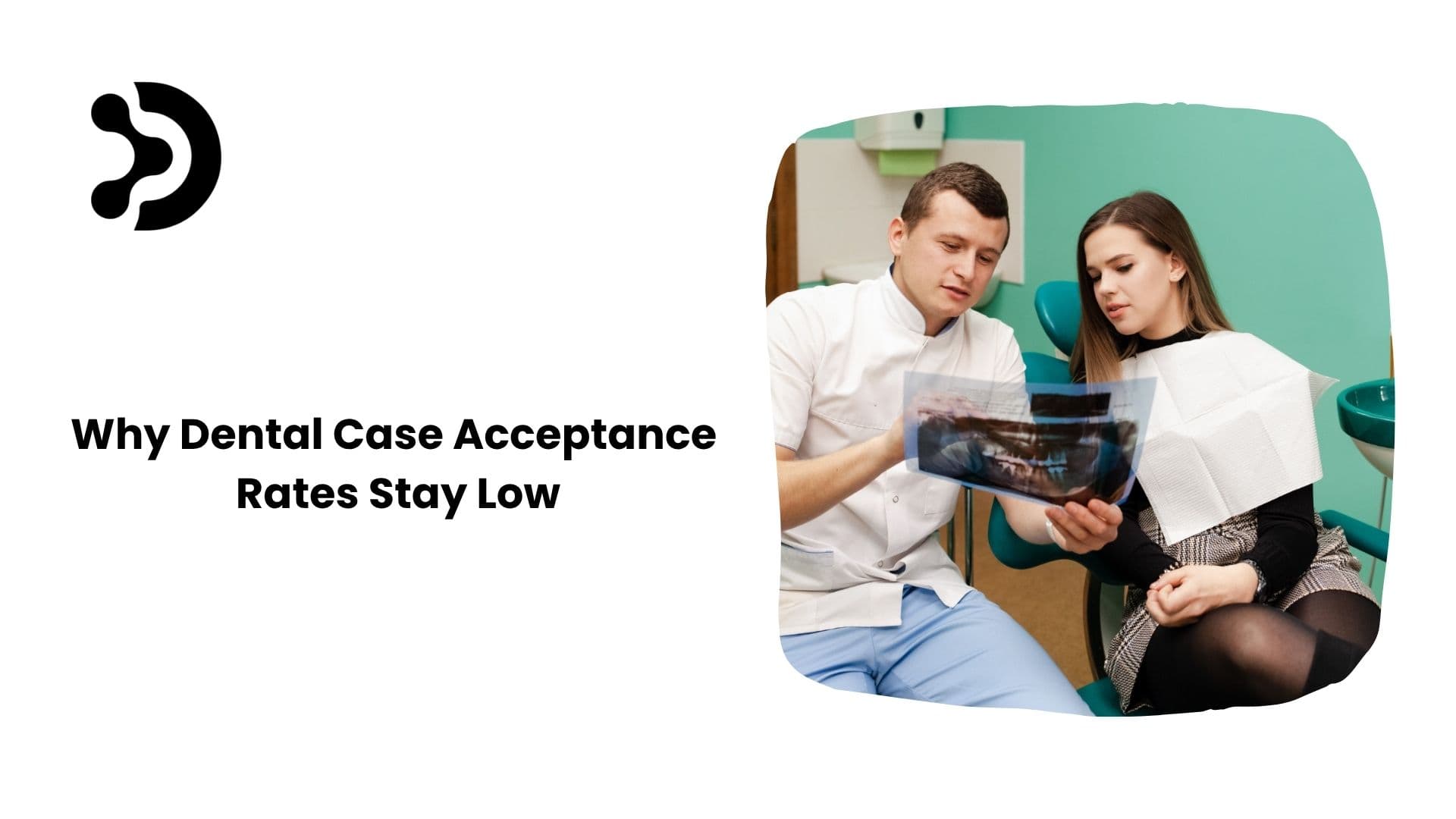
Using diagnostic imaging such as X-rays
Identifying existing and potential oral health issues
Discussing patient concerns and goals
The goal is to create a personalized dental care plan that prioritizes urgent needs, restores oral function, and improves overall oral health.
Why Dental Treatment Planning Is Essential
A structured dental treatment planning process ensures:
Early detection of dental issues
Prevention of future complications
Cost-effective sequencing of procedures
Improved patient understanding and consent
Better long-term outcomes
Without a clear plan, treatments may be reactive rather than preventive. A comprehensive approach enables dentists to coordinate preventive, restorative, and cosmetic dentistry effectively.
Key Steps in the Dental Treatment Planning Process
1. Comprehensive Examination
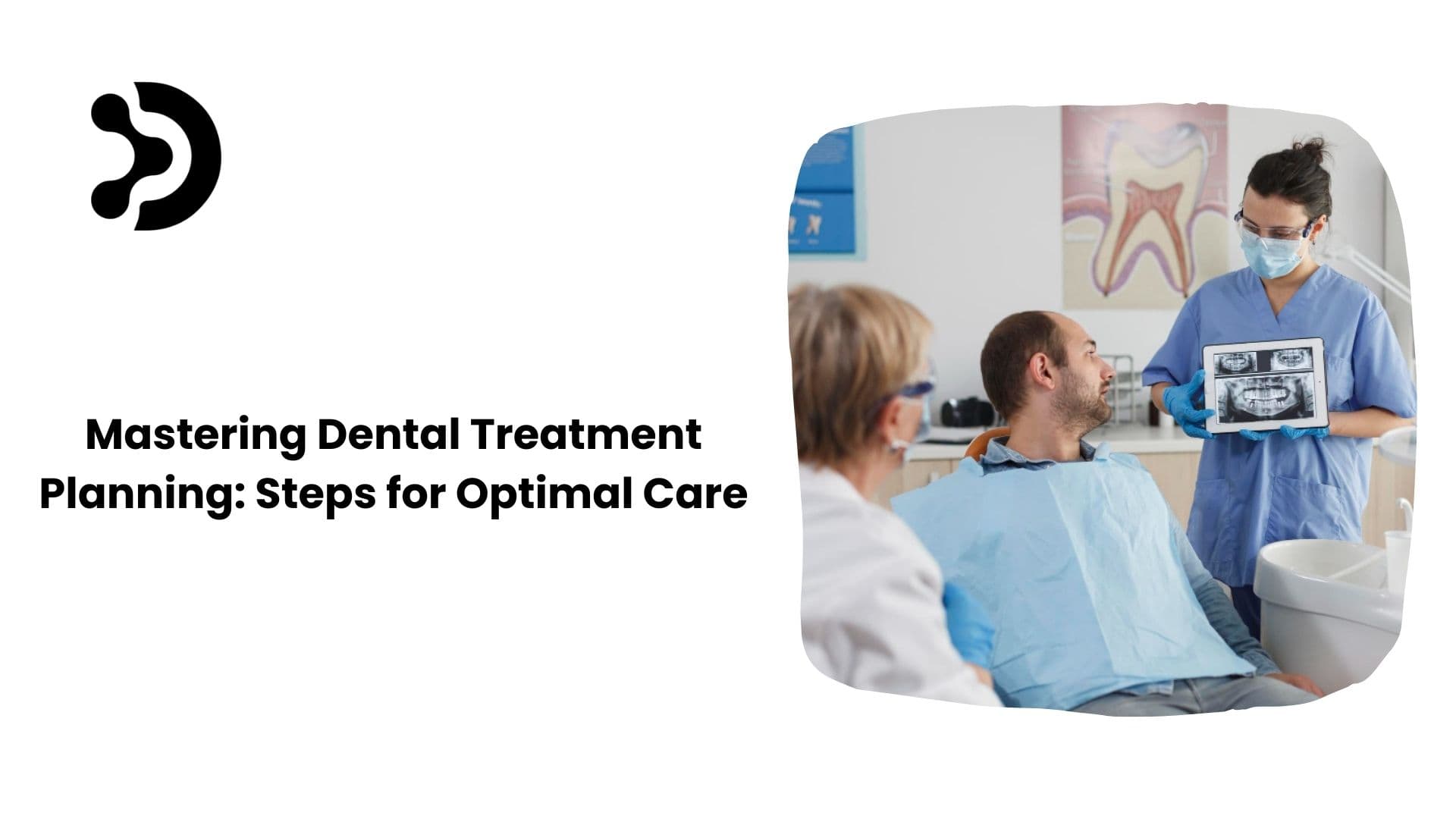
The first step involves a detailed evaluation of teeth, gums, bite alignment, and overall oral structures. Diagnostic tools such as digital X-rays and intraoral cameras help identify hidden issues.
2. Diagnosis and Risk Assessment
Dentists assess conditions such as cavities, gum disease, tooth loss, and bite problems. Risk factors like smoking, diabetes, or poor oral hygiene are considered in developing a comprehensive dental care plan.
3. Prioritizing Treatment
Urgent issues like infections or severe decay are addressed first. Functional restoration is next, followed by aesthetic improvements if desired.
4. Treatment Sequencing
Procedures are organized logically. For example:
Gum disease treatment before restorative dentistry
Orthodontic corrections before cosmetic veneers
Implant placement before crowns
5. Patient Discussion and Approval
The dentist explains treatment options, timelines, and costs. Clear communication builds trust and ensures informed consent.
Example of a Dental Treatment Planning Framework
Step | Focus Area | Example Procedure |
Phase 1 | Disease Control | Deep cleaning, fillings |
Phase 2 | Restoration | Crowns, root canals |
Phase 3 | Replacement | Dental implants, bridges |
Phase 4 | Aesthetics | Teeth whitening, veneers |
Phase 5 | Maintenance | Routine cleanings, follow-ups |
This structured approach ensures long-term stability of oral health.
Common Procedures Included in Dental Treatment Planning
A well-developed dental treatment plan may include:
Professional cleaning and preventive dentistry
Fillings and root canal therapy
Crowns and bridges
Dental implants
Orthodontic treatment
Cosmetic enhancements
Each step is designed to support both function and aesthetics while minimizing future risk.
Benefits of a Personalized Dental Care Plan
A customized dental treatment planning strategy provides:
Clear roadmap for oral health improvement
Better financial planning through staged treatments
Reduced dental anxiety due to structured planning
Higher treatment success rates
Patients feel more confident knowing their dentist has a long-term strategy rather than isolated fixes.
Conclusion
Dental treatment planning is not just about fixing current problems; it’s about building a long-term strategy for lasting oral health. By combining diagnosis, prioritization, and structured sequencing, dentists can deliver predictable, high-quality outcomes tailored to each patient. A comprehensive dental care plan improves function, aesthetics, and overall well-being while minimizing risks and future expenses. Schedule your consultation with Denteligen today and receive a personalized dental treatment plan designed for long-term oral health and confident results.