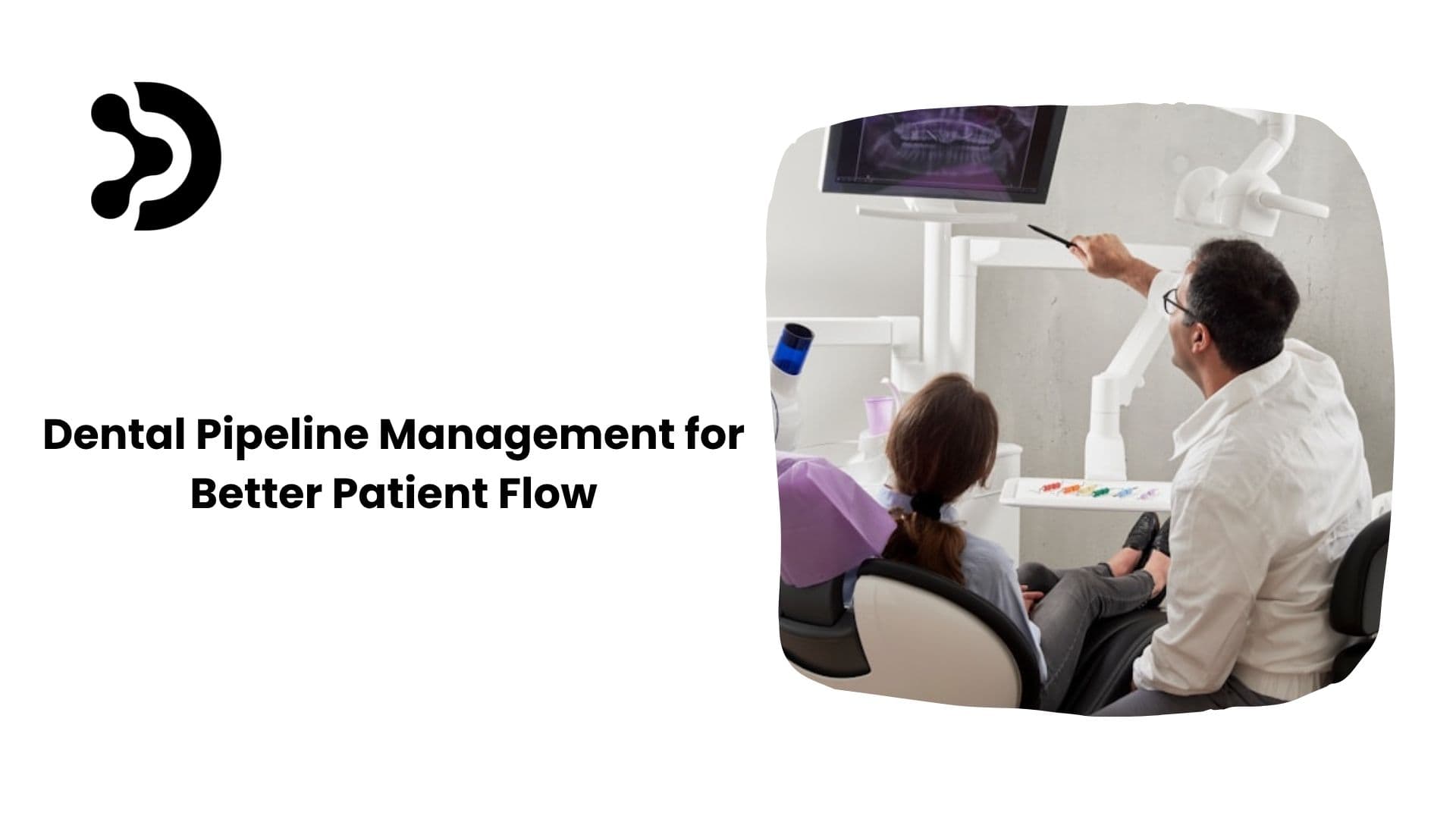

Dental practices often deal with treatments that cannot be completed in one visit. Complex procedures such as implants, orthodontics, restorative work, and full mouth rehabilitation require structured Dental Treatment Plans that unfold over weeks or months.
Without a clear system, these plans can easily become confusing for both patients and dental teams. Missed appointments, unclear costs, and poor communication can disrupt progress. Effective systems help dentists organize treatment phases, keep patients informed, and ensure smoother outcomes.
Modern clinics rely on organized workflows, digital planning tools, and transparent communication to manage Dental Treatment Plans successfully.
What Are Multi-Phase Dental Treatment Plans?
Multi-phase Dental Treatment Plans involve treatments completed in stages. Each phase focuses on a specific aspect of oral health before moving to the next step.
A typical plan may include:
Diagnosis and treatment planning
Disease control or preparatory procedures
Restorative or cosmetic treatment
Follow-up care and maintenance
This staged approach allows dentists to address underlying issues before performing complex procedures.
Why Phased Dental Care Matters
Dentists rarely jump directly to cosmetic or restorative work. Oral health conditions like gum disease or infections must be treated first.
Phased dental care plans help achieve:
Better treatment outcomes
Reduced complications
Improved patient comfort
More predictable timelines
Patients often feel more confident when they understand each step of their treatment.
Common Phases in Dental Treatment Plans
Below is a simplified overview of how Dental Treatment Plans are commonly structured.
Phase | Purpose | Example Treatments |
|---|---|---|
Examination & Diagnosis | Identify oral health issues | X-rays, digital scans, oral exams |
Disease Control | Stabilize oral health | Gum therapy, fillings, cleaning |
Restorative Treatment | Repair damaged teeth | Crowns, implants, bridges |
Cosmetic Enhancements | Improve appearance | Whitening, veneers |
Maintenance | Long-term oral care | Routine checkups, hygiene visits |
A structured system helps ensure each phase is completed in the right order.
Systems That Help Manage Dental Treatment Plans
1. Dental Practice Management Software
Modern dental clinics use software platforms to organize Dental Treatment Plans.
These systems help with:
Treatment scheduling
Digital patient records
Appointment reminders
Financial tracking
Many programs also allow dentists to visually present treatment phases to patients.
2. Digital Treatment Planning Tools
Digital imaging and 3D scanning have improved treatment planning.
Dentists can now:
Simulate procedures before treatment
Show patients expected results
Plan implant placement accurately
These tools make multi-step dental procedures easier to explain.
3. Clear Patient Communication Systems
Communication plays a large role in successful treatment.
Patients should clearly understand:
The purpose of each phase
Estimated timelines
Costs involved
Expected results
Many clinics provide printed or digital patient treatment plans for easy reference.
4. Financial Planning Systems
Cost concerns often interrupt treatment.
Dental offices that offer structured payment options often see higher treatment acceptance. Some systems include:
Phased payment schedules
Insurance coordination
Financing plans
This allows patients to continue treatment without financial stress.
5. Automated Appointment Tracking
Multi-phase treatments require consistent follow-up.
Automated reminders help ensure patients return for each stage of their Dental Treatment Plans. These reminders may include:
SMS notifications
Email reminders
App notifications
Consistent scheduling keeps treatments on track.
Benefits of Organized Dental Treatment Plans
Well-structured Dental Treatment Plans offer benefits for both dentists and patients.
For dental practices:
Improved workflow
Better treatment acceptance
Reduced administrative errors
For patients:
Clear expectations
Better treatment outcomes
Easier decision-making
A well-planned approach builds trust between dentists and patients.
Challenges Dentists Face With Multi-Phase Treatment
Even with good systems, a few challenges remain.
Some patients may delay treatment due to cost or fear. Others may skip follow-up visits. Sometimes treatment plans need adjustments based on healing or patient comfort.
Dentists often adapt plans as treatment progresses. Flexibility helps maintain progress without overwhelming patients.
Choosing the Right System for Dental Treatment Plans
Dental clinics typically look for systems that offer:
Integrated scheduling
Patient communication tools
Financial planning features
Digital imaging compatibility
Many practices combine multiple tools rather than relying on a single platform.
Conclusion
Managing complex Dental Treatment Plans requires more than clinical skill. Clear communication, organized systems, and patient-centered planning make a major difference.
Dental teams that combine digital tools with structured workflows often experience fewer delays and stronger patient trust. Treatment becomes easier to follow, even when procedures stretch across months.
Some dentists prefer highly detailed systems. Others keep plans simpler and adapt as treatment progresses. Both approaches can work—so long as patients understand where they are in the process.
If your practice is looking for better ways to organize and manage Dental Treatment Plans, Denteligen provides smart tools designed to support modern dental workflows.
Improve patient communication, streamline treatment phases, and keep every case organized with Denteligen.